
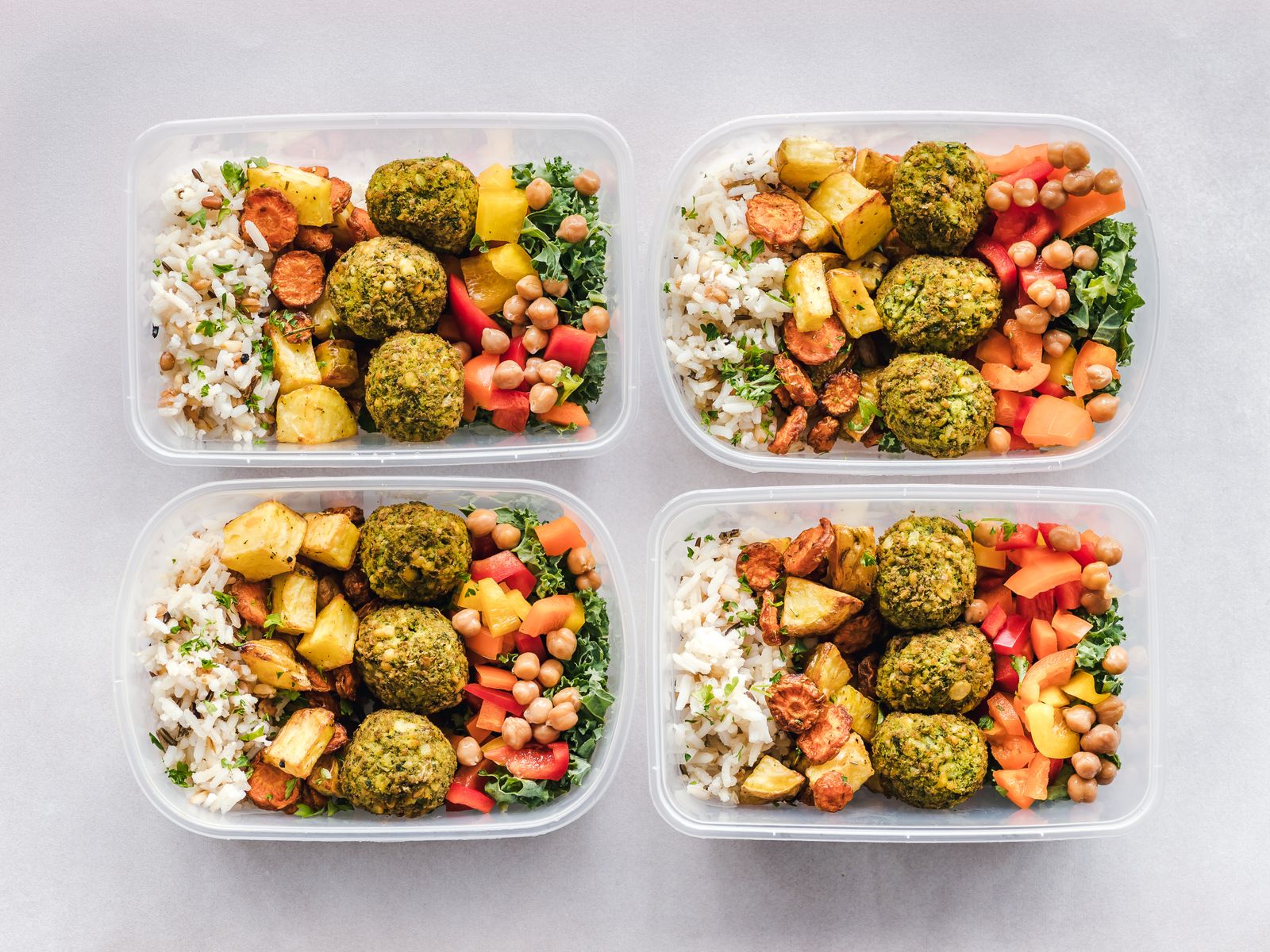
Most people who say they want to eat better do not have a knowledge problem. They have a Wednesday-at-6:30-p.m. problem. You get home, you are tired, nothing is ready, and the easiest option wins. Meal prep exists to fix exactly that moment, and it works best when it is simple enough to survive a busy week.
This is a practical, no-fuss look at meal prep: what it is actually for, how to do a lighter version of it, and the mistakes that make people abandon it by the second week.
What meal prep is really for
Meal prep is not about eating identical chicken and rice out of identical containers. It is about deciding ahead of time, when you are calm and have a little energy, so you are not deciding in the moment, when you have neither.
That shift matters because most food choices that people regret are made under pressure: hungry, rushed, and out of options. Take the pressure out of the moment and the better choice becomes the easy one. You are not relying on willpower. You are changing what is within arm’s reach.
You do not need a full Sunday to do it
The all-day batch cooking session is the version people picture, and it is the version most people quit. A lighter approach tends to last longer. Think in components rather than complete meals.
Prep building blocks, not finished plates
Instead of cooking five identical dinners, prepare a few flexible pieces that you can combine different ways during the week. A protein source, a couple of vegetables, a grain or starch, and a sauce or two. On any given night you assemble something different from the same pieces, so you are not facing the same meal four days in a row.
Start with one meal, not all of them
If your mornings are chaotic, prep breakfast. If lunch is where you usually give in at the nearest drive-through, prep lunch. Pick the single meal that causes you the most trouble and solve that one first. A small habit you keep beats an ambitious system you drop.
Keep a short list of go-to meals
A handful of meals you know how to make, and like, is worth more than a huge recipe collection. Repetition is not a failure. It is what makes planning fast. You can rotate in something new when you feel like it.
A simple way to build a prepped plate
You do not need to weigh or count anything to build a sensible plate. A useful rule of thumb is to cover the basics: a protein you enjoy, vegetables that add color and volume, a carbohydrate source that suits how active you are, and a bit of fat for flavor and satisfaction. How much of each is a personal question that depends on your goals, your training, and your health, which is where individualized guidance helps.
If you tend to under-eat during the day and overeat at night, prepped food can help with that too. Having something ready and appealing at lunchtime is often the difference between a steady day and a ravenous evening.
Common mistakes that kill meal prep
Prepping food you do not actually like
If you dread opening the container, it will not get eaten. Prep food you look forward to, even if it is a little less “perfect” on paper. A meal you eat is better than a meal you planned.
Making it all-or-nothing
Missing one prep day does not mean the week is lost. Keep a couple of backup options on hand, such as simple frozen vegetables, pre-cooked proteins from the store, or a few easy staples. The goal is a plan that bends rather than breaks.
Ignoring food safety
Prepared food needs to be stored and reheated properly. Follow standard food safety guidance for cooling, refrigerating, freezing, and reheating, and when you are unsure whether something is still good, throw it out.
Copying someone else’s plan exactly
Your schedule, appetite, training load, and preferences are your own. A plan built for a competitive athlete or for someone with a very different routine is not automatically right for you. Start with what fits your week and adjust from there.
When meal prep needs a personal plan
General tips only go so far. If you are trying to lose weight, build muscle, manage how you eat around a hard training schedule, or you just keep stalling out, a plan that reflects your actual life tends to work better than a generic one.
At Total Health and Fitness there is a Registered Dietitian on our Draper team, and our nutrition coaching is built around real routines rather than ideal ones. Our weight loss coaching pairs that with accountability, which is often the missing piece when good intentions fade by midweek. If you are not sure whether you need nutrition support or training first, our comparison of nutrition coaching and personal training can help you decide.
Meal prep also pairs well with the broader habits that keep progress steady. Eating out will still happen, and that is fine; we covered how to handle it in eating out without derailing your nutrition plan. And if your progress has slowed even though your eating feels dialed in, our guide to what to check when weight loss slows down walks through the usual suspects.
The short version
Meal prep is a way of making good choices easier, not a test of discipline. Prep one meal, use flexible building blocks, cook food you like, and keep a backup plan for the weeks that fall apart. Small and repeatable wins over big and abandoned.
No approach can promise a particular result, and what works best depends on the person. If you would like help building a plan around your own schedule and goals, book a free consultation with Total Health and Fitness in Draper. We will talk through where you are and what would help, with no obligation.
This article is general education and is not medical advice, a diagnosis, or a treatment plan. If you have a medical condition, are pregnant, or take prescription medication, talk to your physician before changing your eating or exercise habits. Individual results vary.